Visualizing the length of seven inches can be surprisingly difficult without a ruler handy, yet it is a measurement that appears frequently in our daily lives. Whether you are trying to estimate the size of a piece of hardware, checking the dimensions of a kitchen tool, or simply curious about spatial proportions, understanding how long seven inches actually is provides a helpful mental benchmark. By comparing this length to objects you likely handle every day, you can develop an intuitive sense of scale that makes future estimations much easier.
Understanding the Scale of Seven Inches
To grasp the magnitude of seven inches, it helps to first convert the measurement into other units for perspective. In the metric system, seven inches is precisely 17.78 centimeters.
When you look at a standard ruler, which is typically 12 inches long, seven inches represents slightly more than half of its total length. If you imagine a standard sheet of US letter paper, which is 11 inches tall, seven inches is roughly two-thirds of that height.
This measurement falls into a “medium-small” category. It is too large to be considered a minor detail but too small to be a primary structural dimension for furniture or large appliances. Because it sits right in the middle of common handheld objects, it is a frequent size for tools, accessories, and kitchen equipment.
Developing a “mental ruler” by memorizing a few core items can help you estimate this length quickly without needing to search for a tape measure. When you consider the human hand, a typical adult hand span from the tip of the thumb to the tip of the pinky finger when fully spread is often close to eight or nine inches, meaning seven inches is just slightly shorter than a wide hand span.
1. The Standard Dinner Fork
One of the most reliable ways to visualize this measurement is by looking at a standard dinner fork. While there is some variation among cutlery brands, the average table fork designed for main courses usually measures between seven and seven-and-a-half inches in length. This is an ideal size for balance, allowing the user to grip the handle comfortably while having enough reach to maneuver food effectively.
If you are ever in doubt about what seven inches looks like, simply head to your kitchen utensil drawer. By holding a standard fork, you can see that the handle and the tines combined stretch to that familiar length.
This makes the dinner fork an excellent real-world reference point because it is an object most people handle multiple times every single day. The consistent size of cutlery serves as an informal standard in almost every household, making it a reliable tool for quick spatial verification.
2. The Common Pencil
A brand-new, unsharpened pencil is the classic example of a seven-inch object. When you purchase a standard yellow wooden pencil, the wood casing and the eraser attachment combined usually total exactly seven inches. As you sharpen the pencil over time, it naturally shrinks, but a fresh pencil is a perfect physical manifestation of this specific length.
Because pencils are ubiquitous in schools, offices, and junk drawers, they provide a very accessible point of comparison. If you find yourself needing to estimate a space or a piece of material, holding a full-length pencil up against the target area can give you a very accurate approximation. The cylindrical shape also makes it easy to align against edges or corners, helping you visualize the seven-inch span in three-dimensional space more effectively than a flat object would.
3. Large Smartphones and Phablets
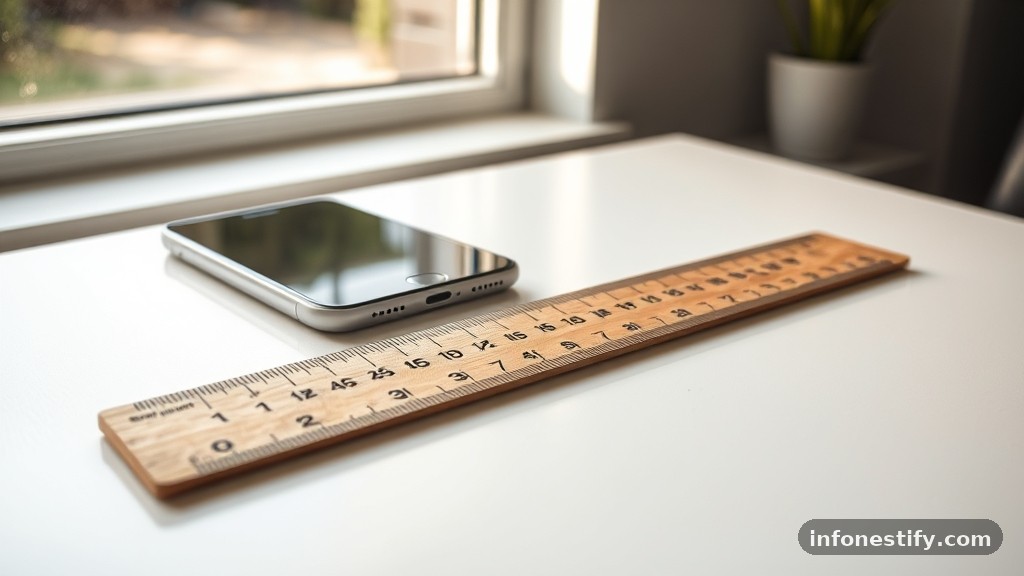
In the modern era of technology, the size of handheld devices has increased significantly. Many of the larger smartphones on the market, often referred to as “phablets,” have a total length that hovers right around the seven-inch mark. While the screen size is usually measured diagonally, the actual physical chassis of a large phone with a case often reaches seven inches from top to bottom.
This is a particularly useful reference for younger generations who are rarely without their devices. If you have a large-format smartphone, you can use its physical length as a quick gauge.
By placing your phone down next to an object, you can immediately tell if that object is larger or smaller than seven inches. This makes digital devices one of the most convenient modern-day rulers that most of us carry in our pockets at all times.
4. A Standard Social Stationery Envelope
When you look at common office supplies, the standard “Number 10” envelope is a staple. While the width of a standard business envelope is 9.5 inches, the height or the shorter side of many greeting card envelopes often measures exactly seven inches. This is a very common size for invitations, professional cards, and specialized mailing needs.
The prevalence of this paper size means that you have likely handled these items many times. By keeping the visual memory of a standard greeting card envelope in mind, you can quickly assess whether something else matches that specific length. Paper products are excellent for this because they are standardized; once you know the dimensions of a common envelope, you have a permanent, reliable reference point that doesn’t change over time like a sharpened pencil might.
5. The Small Ruler Reference
It might seem redundant to mention a ruler, but many people own “six-inch” pocket rulers that are actually slightly longer to accommodate the protective casing or the end tab. Furthermore, many small plastic rulers found in children’s pencil cases or craft kits are exactly seven inches long. These tools are designed to be portable and lightweight, fitting easily into bags or binders.
Using a ruler to measure a ruler might seem like a circular exercise, but it is the most accurate way to understand the measurement. If you want to be precise, you can visit the National Institute of Standards and Technology website to learn more about the formal definitions of length and the relationship between imperial and metric units. Understanding the official definition reinforces the importance of using standardized tools when precision is required for DIY projects or professional work.
6. Sunglasses and Eyewear Frames
When you set a pair of adult sunglasses or eyeglasses down on a table in their unfolded state, the total span from one temple tip to the other is often right around seven inches. While this varies based on the style such as oversized aviators versus slim reading glasses the average width for a standard adult face is comfortably within the seven-inch range.
Because eyewear is a personal item that we interact with every morning and evening, it is a great reference for visual estimation. If you are trying to guess if a space is seven inches wide, imagine placing your sunglasses across it.
If the glasses fit perfectly, you have successfully identified the length. This is particularly useful when you are out in public and don’t have a tape measure, as you can use your own accessories to gauge the dimensions of items you might be considering for purchase.
See More: How Tall Is a Monster Can? Exact Dimensions
7. The Average Hardcover Book Width
While book sizes vary wildly depending on the genre, a standard trade hardcover book often features a width that is quite close to seven inches. While the height of books can reach nine or ten inches, the width is frequently constrained by what is comfortable for the human hand to grip. A seven-inch width is considered an ergonomic “sweet spot” for many publishers.
If you have a bookshelf in your home, pull out a few different hardcover titles. You will likely find several that measure exactly seven inches across the cover.
This makes your personal library a fantastic resource for visualizing length. By training your eye to recognize this specific dimension on your own shelves, you gain a sense of scale that is grounded in your own environment, making it much easier to apply that knowledge to the outside world.
8. Small Kitchen Bowls and Saucers
In the culinary world, plate and bowl sizes are categorized by their diameter. A standard cereal bowl or a smaller side-plate/saucer often measures seven inches in diameter. This size is specifically chosen by manufacturers to hold a single serving of food while remaining easy to stack and store in standard kitchen cabinetry.
Next time you are setting the table or emptying the dishwasher, take a moment to look at your bowls. If you have a set of everyday dinnerware, the side plates are almost certainly in the seven-to-eight-inch range.
Recognizing this standard kitchen size is helpful not just for measuring, but for understanding how professional kitchens are organized. When you see a “seven-inch plate” on a menu or a kitchen supply website, you will immediately have a clear mental image of how much space that item occupies.
9. Children’s Footwear
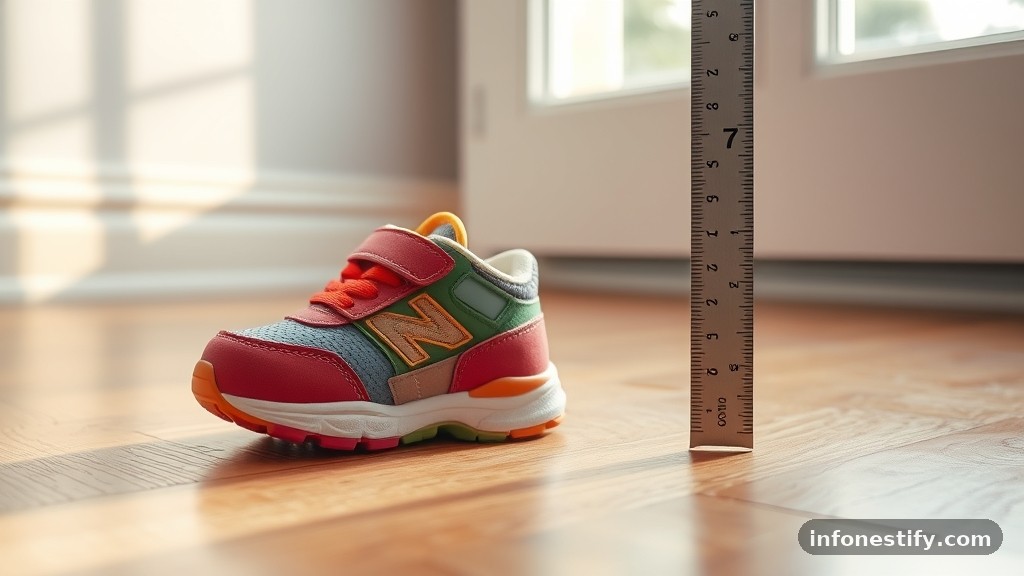
When shopping for children, parents often become experts in measuring feet. A typical shoe size for a child in the middle of their elementary school years often results in a shoe length of approximately seven inches. This is a very specific, tangible way to understand the measurement.
If you have children or interact with young family members, their shoes are a great point of reference. Because shoes have a rigid sole, they don’t deform or change shape, providing a very consistent physical measure. If you are ever trying to describe how long seven inches is to someone else, and they have children, using the size of a child’s shoe is a very relatable and clear example that most people can visualize instantly.
10. The Distance Between Knuckles
If you look at your own hand, the distance across your knuckles (excluding the thumb) is often close to three or four inches, but if you measure from the base of your palm to the tip of your middle finger, you are likely looking at a measurement that approaches seven inches for many adults. This biological reference is perhaps the most convenient of all because it is quite literally always with you.
By measuring your own hand once, you can establish a permanent, portable, and free measuring tool. While hand sizes vary, once you know your own specific measurements, you can use your hand as a rough guide for almost anything. Knowing that your hand is “X” amount of inches long allows you to quickly calibrate your estimations for any object you encounter, turning your own body into a reliable instrument for spatial awareness.
11. Small Garden Tools
If you are a gardener, you likely have a collection of hand trowels, transplanters, or weeding forks. Most of these small, handheld garden implements are designed with a total length of seven to eight inches. This length provides enough leverage to dig into soil without being so long that the tool becomes cumbersome or difficult to handle in tight spaces like pots or small garden beds.
The next time you are working in the yard, take a look at your hand tools. The handle and the working blade combined are usually perfectly suited to the seven-inch benchmark. Because these tools are made of durable materials like steel and wood, they maintain their shape over many years, serving as a reliable physical standard that you can keep in your shed for whenever you need to check a measurement.
12. Typical Remote Controls
While the era of the massive, button-heavy remote is fading, many standard TV, cable, and soundbar remotes still fall into the seven-inch length category. These devices are designed to be held comfortably in the palm of the hand, and seven inches is generally considered the maximum length that allows for thumb-reach across most of the buttons without needing to shift your grip.
Because we handle remote controls so frequently, we have a very strong “muscle memory” for their size. You likely know exactly how a seven-inch remote feels in your hand.
When you are trying to visualize seven inches in another context, simply bring the memory of that remote control to mind. This intuitive sense of “hand-feel” is often more effective than trying to visualize a number on a page, as it connects the measurement to a physical, tactile experience.
13. Standard Beverage Bottles
When looking at the height of common beverage containers, such as a standard 12-ounce glass bottle or a small plastic water bottle, you will often find they stand around seven inches tall. While the shape varies from a soda bottle to a beer bottle, the height is frequently standardized to fit into vending machines and standard refrigerator door shelves.
This familiarity makes beverage bottles an easy reference. If you are in a grocery store or a restaurant, you are constantly surrounded by items that are roughly seven inches tall.
By noticing this, you can quickly estimate the dimensions of other products on the shelf. It turns a mundane activity like grocery shopping into a subconscious exercise in spatial estimation, further reinforcing your ability to judge sizes accurately.
14. Small Handheld Notepads
A common size for small, spiral-bound reporter’s notebooks or pocket journals is seven inches in height. These are designed to be easily carried in a jacket pocket or a small purse. The seven-inch length provides enough writing space for a significant amount of text while remaining compact enough to be truly portable.
If you are a student or a professional who uses these types of notebooks, you have a perfect, flat, and thin seven-inch reference. Because these notebooks are often made with standard paper sizes, they are highly consistent.
If you need to check if a space is seven inches wide, you can simply hold your notebook up to it. The flat edge allows for a very precise comparison, making this one of the most practical everyday items for measuring.
15. Craft and Art Supplies
Many common craft supplies, such as standard paint brushes, palette knives, or even some types of knitting needles, are manufactured at a seven-inch length. This size is often selected for its balance, allowing the artist or crafter to exert control without the tool becoming unbalanced or awkward during intricate work.
If you have a hobby room or a craft drawer, you likely have dozens of items that fall into this range. By becoming aware of the standard sizes in your own hobby, you can improve your spatial skills. Whether you are a painter, a knitter, or a woodworker, your tools are likely calibrated to standard lengths that happen to align with the seven-inch mark, providing you with a specialized set of reference points that are unique to your own interests.
16. Household Hardware and Fasteners
In the world of DIY, many standard cabinet handles, drawer pulls, and even some kitchen door hinges are seven inches in length. When you are looking at hardware for a home renovation, you will often see these dimensions listed on the packaging. This is a crucial measurement for ensuring that new hardware fits existing holes or covers old marks on your cabinetry.
Understanding how common the seven-inch measurement is in hardware can save you a lot of frustration. If you are planning a renovation, knowing that your existing handles are seven inches long allows you to search specifically for replacements that match that footprint. This practical application of the measurement shows how important it is to have a solid grasp of these common dimensions, as it can prevent costly mistakes and unnecessary work during home improvement projects.
Refining Your Estimation Skills
By integrating these sixteen examples into your everyday life, you move beyond just knowing the number seven and start to truly understand the spatial reality of the measurement. The process of estimation is a skill that improves with constant practice. When you see an object that is roughly the size of a dinner fork or a standard pencil, your brain will automatically tag it as being in the seven-inch range.
This cognitive shortcut is incredibly useful. It allows you to quickly assess furniture, estimate the size of a parcel you need to ship, or judge whether a specific accessory will fit into a storage bin.
The more you consciously notice these common objects, the more accurate your mental ruler becomes. You no longer have to rely on guessing; instead, you can rely on a library of familiar items that serve as anchors for your perception of the physical world.
Furthermore, being able to accurately estimate length is a sign of good spatial intelligence. It enables you to be more efficient in your daily tasks, from packing a suitcase to arranging a workspace.
When you start to view the world through the lens of standard measurements, you gain a new level of control over your environment. You begin to see the “hidden” structure of the objects around you, noticing the patterns and standards that manufacturers and designers use to make our lives more convenient.
Ultimately, seven inches is more than just a number on a page or a tick mark on a ruler. It is a fundamental dimension that shapes the tools we use, the furniture we sit on, and the devices we carry.
By learning to recognize this length in the sixteen common objects outlined above, you have equipped yourself with a versatile, reliable, and always-available measuring system that will serve you well in countless situations. Keep observing, keep comparing, and you will find that your ability to judge size becomes second nature.

Camila Coelho is a passionate fashion and beauty enthusiast at Infonestify, where she shares her love for style, elegance, and creativity. With years of experience in the fashion and nail industry, Camila believes that beauty is a reflection of individuality and confidence.
Through her articles, she guides readers to discover their personal style, embrace trends that suit them best, and explore the artistry of nail design. From timeless wardrobe tips to modern manicure ideas, her content is crafted to inspire and empower readers to feel beautiful every day.
At Infonestify, Camila brings a fresh and relatable voice to the world of fashion and nails — blending expertise with inspiration. Whether you’re searching for the latest outfit ideas or nail art trends, her insights make beauty feel effortless, authentic, and achievable.
Stay inspired with Camila’s world of fashion and nails.